24 February 2026
How to choose the right pozzolan grading for your project
A practical guide to selecting 0/3, 7/15, 10/20, and 20/40 gradings based on use case. Choosing the right pouzzolane grading can completely transform the success of your landscaping or drainage project. Learn which granulometry best fits your specific needs.
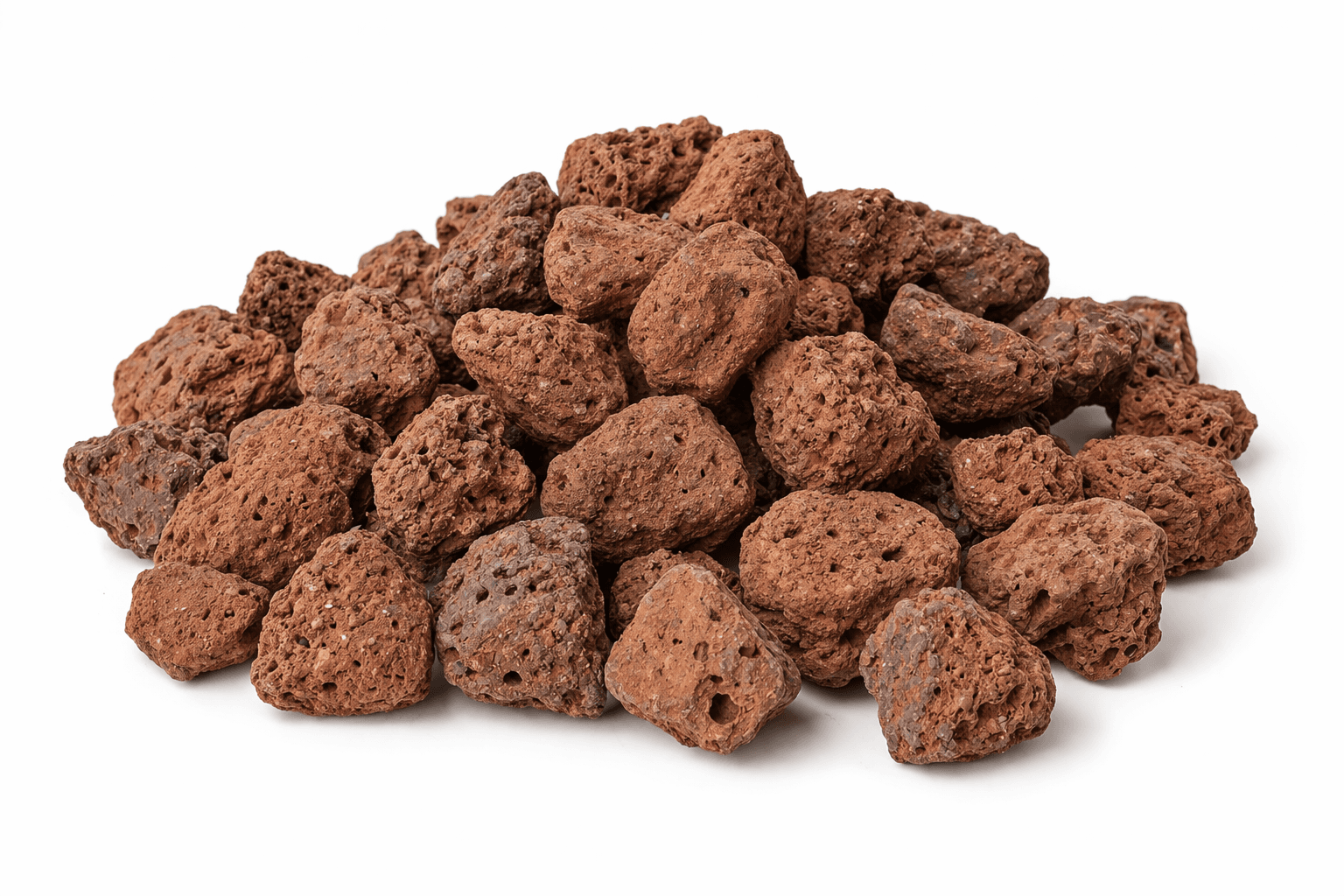
How to Choose the Right Pouzzolane Grading for Your Project
Choosing the right pouzzolane grading can completely transform the success of your landscaping, drainage, gardening, or construction project. One wrong granulometry and suddenly your drainage becomes poor, your decorative finish looks uneven, or your plants struggle because water retention is either too high or too low. That is why understanding pouzzolane sizes is not just a technical detail. It is the foundation of a durable and efficient installation.
Today, pouzzolane is widely used across gardens, green roofs, filtration systems, pathways, landscaping projects, and even eco-construction because of its lightweight volcanic structure and exceptional porosity. Recent 2026 industry guides show that the most commonly used grades remain 7/15 mm for decorative mulching and landscaping and 20/40 mm for drainage and filtration systems.
If your website serves customers in Arabic (ar), French (fr), and English (en) markets, understanding the SEO and commercial intent behind these different uses becomes even more important. People search differently depending on their region and language. A French-speaking customer may search for “granulométrie pouzzolane 7/15,” while an English-speaking visitor searches for “best volcanic rock size for drainage.” Your content strategy should target all of them naturally.
What Is Pouzzolane and Why Is It So Popular?
The Natural Origins of Volcanic Pouzzolane
Pouzzolane is a volcanic rock formed when lava cools rapidly after an eruption, creating a porous and lightweight material filled with tiny air pockets. These cavities are exactly what make pouzzolane so useful in landscaping and construction. Think of it like a natural sponge made from volcanic stone. It can retain moisture while still allowing excellent airflow and drainage. That rare combination explains why it has become one of the most trusted materials for both decorative and technical applications.
The name itself comes from Pozzuoli, near Naples in Italy, where the Romans used volcanic ash and stone to create hydraulic concrete structures that survived for centuries. Even today, architects and engineers continue studying ancient Roman concrete because of its extraordinary durability. Modern pouzzolane products inherit many of those same properties. They are resistant to decomposition, stable under weather exposure, and environmentally friendly compared to many synthetic alternatives.
In gardening, pouzzolane has become especially popular in Mediterranean climates because it reduces evaporation and protects roots against sudden temperature changes. Landscapers love it because it creates a clean, modern appearance that lasts for years without breaking down like organic mulch. Contractors appreciate its lightweight structure for drainage layers and filtration systems. It is one of those rare materials that performs well technically while also looking visually attractive.
Why Contractors and Gardeners Prefer Pouzzolane
There are many decorative stones available on the market, but pouzzolane stands apart because it combines beauty with functionality. It does not simply cover the ground. It actively improves water management and soil aeration. Unlike bark mulch, it does not rot or attract insects. Unlike heavier gravel, it remains relatively lightweight and easy to handle during installation.
Recent guides published in 2026 emphasize that granulometry directly impacts drainage speed, water retention, and long-term stability. Smaller grades retain slightly more moisture while larger grades maximize water evacuation. That means choosing the right grade is essential if you want your project to function properly over time.
Another reason for its popularity is sustainability. Many builders and homeowners are now searching for natural materials that support eco-friendly construction practices. Pouzzolane fits perfectly into that trend because it is natural, reusable, and long-lasting. A properly installed layer can remain effective for more than a decade with almost no maintenance. That is incredibly valuable in modern landscaping where durability matters as much as appearance.
Understanding Pouzzolane Grading and Granulometry
What Does 7/15 mm or 20/40 mm Mean?
If you are new to pouzzolane, those numbers might initially look confusing. In reality, they are very simple. The grading represents the approximate size range of the volcanic stones measured in millimeters. So when you see 7/15 mm, it means the particles generally range between 7 mm and 15 mm in diameter. A 20/40 mm grade contains much larger pieces ranging between 20 mm and 40 mm.
This sizing system matters because particle size directly affects how the material behaves. Smaller particles sit closer together, which creates a denser surface and slightly increases water retention. Larger particles leave wider gaps between stones, which dramatically improves drainage and airflow. It is similar to comparing sand and large pebbles at a beach. Water flows differently through each one.
Industry sources in 2026 consistently recommend:
- 3/6 mm or 4/7 mm for fine decorative applications
- 7/15 mm for standard garden mulching
- 10/20 mm for pathways and medium drainage
- 20/40 mm for heavy drainage and filtration systems
The mistake many beginners make is assuming all volcanic rock performs the same way. It does not. A decorative flower bed and a septic filtration system require completely different granulometries. Choosing the wrong size can reduce efficiency and shorten the lifespan of the installation.
How Particle Size Changes Performance
Imagine trying to walk barefoot on giant stones compared to fine gravel. The experience changes instantly. The same principle applies to drainage, stability, and aesthetics. Fine pouzzolane creates a more refined and homogeneous appearance. It is comfortable visually and ideal for decorative surfaces. Medium grades balance aesthetics with drainage performance. Large grades prioritize water flow and structural support.
For example, 7/15 mm pouzzolane is considered the most versatile choice for landscaping because it stays stable around plants while still allowing airflow and moderate moisture retention. Meanwhile, 20/40 mm is preferred in drainage trenches, septic systems, and heavy filtration applications because water can pass through rapidly without clogging.
Temperature behavior also changes with grading. Smaller dark volcanic stones can absorb more heat on exposed surfaces during summer. Larger grades often remain cooler because of increased airflow between particles. In hot climates like Morocco, Spain, or southern France, this becomes an important consideration for plant protection and user comfort.
Ultimately, granulometry is not just a technical specification hidden on a product label. It determines how the entire project behaves over time.
The Most Common Pouzzolane Grades Explained
Fine Pouzzolane Grades
Fine grades such as 0/3 mm, 3/6 mm, or 4/7 mm are typically used for finishing layers, small decorative pots, cactus substrates, and lightweight top dressing. These grades create a very clean and elegant appearance because the particles fit closely together. They are especially popular in modern urban gardening and minimalist landscaping designs.
One of the major advantages of fine pouzzolane is moisture management. Because the particles are smaller, evaporation slows down slightly while still allowing healthy aeration. That makes these grades excellent for succulents, bonsai trees, and small balcony gardens.
Fine grades are also useful in multilingual e-commerce SEO. If your site targets Arabic, French, and English markets, you can optimize product pages around specific use cases:
- “Fine volcanic mulch for succulents”
- “Pouzzolane 3/6 mm pour cactus”
- “حصى بركاني ناعم للنباتات”
That multilingual targeting helps capture search traffic from different user intents while still focusing on the same product category.
Medium Pouzzolane Grades
The medium category, especially 7/15 mm, is considered the king of decorative landscaping. This size offers the ideal balance between drainage, stability, visual appeal, and moisture retention. It is commonly recommended for flower beds, shrubs, Mediterranean gardens, and decorative pathways.
Gardeners love this grade because it does not easily shift under rain or wind. It creates a stable surface that suppresses weeds effectively while still allowing water penetration. When applied at a thickness of around 5 to 7 cm, it significantly reduces evaporation and limits weed growth.
From a visual standpoint, medium grades also create the most balanced aesthetic. The texture feels natural without appearing too coarse. That is why you see this size used frequently in luxury landscaping projects, hotels, villas, and commercial outdoor spaces.
Large Pouzzolane Grades
Large grades such as 20/40 mm, 40/60 mm, and beyond are primarily technical materials rather than decorative ones. Their purpose is rapid water evacuation and structural drainage. These grades are commonly used in:
- Septic systems
- Drainage trenches
- Green roof infrastructure
- Heavy-duty landscaping
- Filtration beds
Because large particles create substantial air gaps, water flows through them extremely efficiently. That makes them perfect for projects where standing water could become a problem.
Large pouzzolane also creates a rugged and highly mineral aesthetic that works beautifully in rock gardens and volcanic landscape themes. It feels bold and architectural rather than soft and decorative.
Choosing Pouzzolane for Landscaping Projects
Decorative Garden Mulching
If your goal is to create elegant flower beds with minimal maintenance, medium-grade pouzzolane is usually the best solution. The 7/15 mm size is widely recommended because it balances visual refinement with practical performance.
A properly installed volcanic mulch layer helps:
- Reduce water evaporation
- Limit weed growth
- Stabilize soil temperature
- Protect roots from heat fluctuations
- Improve visual appeal
In hot climates, this becomes especially valuable. Imagine your garden soil wearing a breathable protective jacket during summer. That is essentially what pouzzolane does for plant roots.
The color choices also matter. Red and brown volcanic tones create warm Mediterranean aesthetics, while black or dark gray stones produce a modern contemporary look. Many designers combine different grades and colors to create visual depth across large landscapes.
Pathways and Walkways
For pathways, the ideal choice often depends on foot traffic intensity. Medium grades such as 10/20 mm provide a stable walking surface while maintaining good drainage. If the path receives heavier use or occasional vehicle access, larger grades may perform better structurally.
One common mistake is choosing extremely fine material for walkways. Fine volcanic particles can compact over time and reduce drainage performance. Larger stones maintain airflow and surface stability more effectively.
Adding a geotextile membrane beneath the pouzzolane layer also dramatically improves longevity. It prevents mixing with soil while reducing weed growth. Several 2026 installation guides recommend combining geotextile layers with 5–8 cm of medium-grade pouzzolane for optimal results.
Choosing Pouzzolane for Drainage Applications
Drainage Around Plants
Waterlogged roots are one of the fastest ways to kill sensitive plants. That is where pouzzolane becomes incredibly useful. Medium and large grades improve oxygen circulation around roots while allowing excess water to escape efficiently.
For small pots and containers, a 5–15 mm grade works very well. For larger planters and landscape drainage zones, 20/40 mm often performs better because it creates larger air spaces.
Mediterranean plants like lavender, rosemary, olive trees, and succulents particularly benefit from volcanic drainage layers because they naturally prefer dry and aerated soils.
Septic and Filtration Systems
This is where larger granulometries dominate. Septic systems require maximum permeability to avoid clogging and maintain bacterial filtration efficiency. Current recommendations strongly favor 15/25 mm and 20/40 mm grades for these applications.
Large volcanic stones create enough empty space for water circulation while also supporting beneficial bacteria colonies inside the porous structure of the rock itself. That combination improves filtration naturally without relying heavily on synthetic materials.
Pouzzolane for Pots, Green Roofs, and Urban Gardening
Best Grades for Small Pots
Urban gardening continues growing rapidly worldwide, especially in apartments and rooftop environments. Fine and medium pouzzolane grades are extremely popular because they are lightweight and visually attractive.
For small containers:
Pot Size Recommended Grade Main Benefit Small decorative pots 3/6 mm Elegant finish Balcony planters 5/15 mm Lightweight drainage Large containers 20/40 mm Root aerationThese recommendations align closely with recent horticultural guidance published in 2026.
Green Roof and Rooftop Applications
Green roofs require materials that are lightweight yet capable of retaining controlled moisture levels. Medium-grade pouzzolane performs exceptionally well here because it balances drainage and water retention.
The material also helps reduce structural load compared to traditional stone aggregates. In sustainable architecture, that is a major advantage. Modern eco-building projects increasingly incorporate volcanic substrates because they support plant health while reducing overall roof weight.
Pouzzolane in Construction and Eco-Building
Lightweight Concrete and Structural Uses
Pouzzolane is not limited to landscaping. It also plays an important role in eco-construction and lightweight concrete mixtures. Builders use volcanic aggregates to improve insulation and reduce structural mass without sacrificing durability.
Ancient Roman concrete famously incorporated volcanic materials, and modern sustainable architecture is revisiting those techniques. The porous structure helps regulate moisture while contributing to thermal insulation.
Thermal and Water Management Benefits
One hidden advantage of pouzzolane is temperature regulation. Because of its air-filled structure, it acts almost like a natural insulating layer. In landscaping, this protects roots from extreme heat and cold. In construction, it contributes to improved thermal efficiency.
Water management is equally important. Cities increasingly face flooding problems caused by impermeable surfaces. Using permeable volcanic materials in landscaping and drainage systems helps reduce runoff pressure naturally.
Comparing Pouzzolane Grades by Use Case
Pouzzolane Grade Best Use Drainage Level Decorative Value 0/3 mm Finishing layers Medium High 3/6 mm Pots and cactus mixes Medium High 7/15 mm Garden mulch Balanced Very High 10/20 mm Walkways High Medium 20/40 mm Drainage systems Very High Low 40/60 mm Structural landscaping Maximum MediumThis table summarizes the core differences between the most common granulometries based on current industry recommendations.
Common Mistakes When Choosing Pouzzolane
One of the biggest mistakes people make is selecting a grading based only on appearance. A beautiful stone that performs poorly in drainage can create expensive problems later. Another common issue is applying layers that are too thin. Recent guides recommend at least 5–7 cm thickness for effective weed suppression and moisture control.
People also underestimate color impact. Dark volcanic stones absorb more heat under direct sunlight. In extremely hot climates, lighter or red-toned stones may protect plants better.
Another frequent mistake is ignoring multilingual SEO opportunities. If your website supports AR, FR, and EN, you should not simply translate product titles literally. You need localized keyword intent:
- English: “best volcanic rock mulch”
- French: “pouzzolane 7/15 pour massif”
- Arabic: “البوزولان للتصريف الزراعي”
That multilingual optimization can significantly increase organic visibility.
SEO Tips for Multilingual Pouzzolane Websites (AR, FR, EN)
If your website targets international customers, multilingual SEO becomes critical. Google treats French, Arabic, and English searches differently because user behavior changes by language and region.
A strong multilingual strategy should include:
- Separate URLs for each language
- Localized meta titles
- Native keyword research
- Language-specific product descriptions
- Internal linking between language versions
For example:
Language Example Keyword English pouzzolane drainage stone French granulométrie pouzzolane Arabic حجر بركاني للتصريفYou should also optimize image alt text in multiple languages because landscaping products are highly visual. Customers often search through image results before making purchasing decisions.
Publishing blog content like “How to choose the right pouzzolane grading” helps establish topical authority while naturally targeting long-tail keywords across multiple regions.
Conclusion
Choosing the right pouzzolane grading is not just about size. It is about matching the material to the exact needs of your project. Fine grades excel in decorative and lightweight applications. Medium grades dominate landscaping and garden mulching because they balance aesthetics with performance. Large grades are essential for drainage, filtration, and technical installations.
The best results always come from understanding how granulometry affects water movement, stability, airflow, and visual appearance. A well-chosen volcanic stone layer can improve drainage, reduce maintenance, protect plants, and create stunning outdoor spaces that last for years.
For multilingual websites operating in Arabic, French, and English, this topic also represents a major SEO opportunity. Different markets search differently, but they all share the same goal: finding durable, natural, and efficient volcanic materials for their projects.
FAQs
What is the best pouzzolane grade for garden mulch?
The most recommended size for garden mulch is generally 7/15 mm because it balances drainage, stability, and decorative appearance effectively.
Which pouzzolane grading works best for drainage?
For heavy drainage systems, septic installations, and filtration layers, 20/40 mm is commonly recommended because it allows rapid water flow.
Is fine pouzzolane good for succulents?
Yes. Fine grades like 3/6 mm or 4/7 mm are excellent for succulents, bonsai trees, and cactus mixes because they improve aeration while maintaining controlled moisture levels.
How thick should a pouzzolane layer be?
Most landscaping experts recommend a layer thickness between 5 and 7 cm for weed control and moisture retention.
Can pouzzolane improve SEO for landscaping websites?
Absolutely. Pouzzolane-related searches continue growing in gardening, eco-construction, and drainage niches. Creating multilingual content in English, French, and Arabic can help attract highly targeted organic traffic.